2026Healthcare
Take Therapy
⋮⋮
3 steps
Down from 7. Booking complete in <90s.
Redesigning the booking flow for Take Therapy.
Building an auction marketplace that makes hand-painted shoes feel collectible.
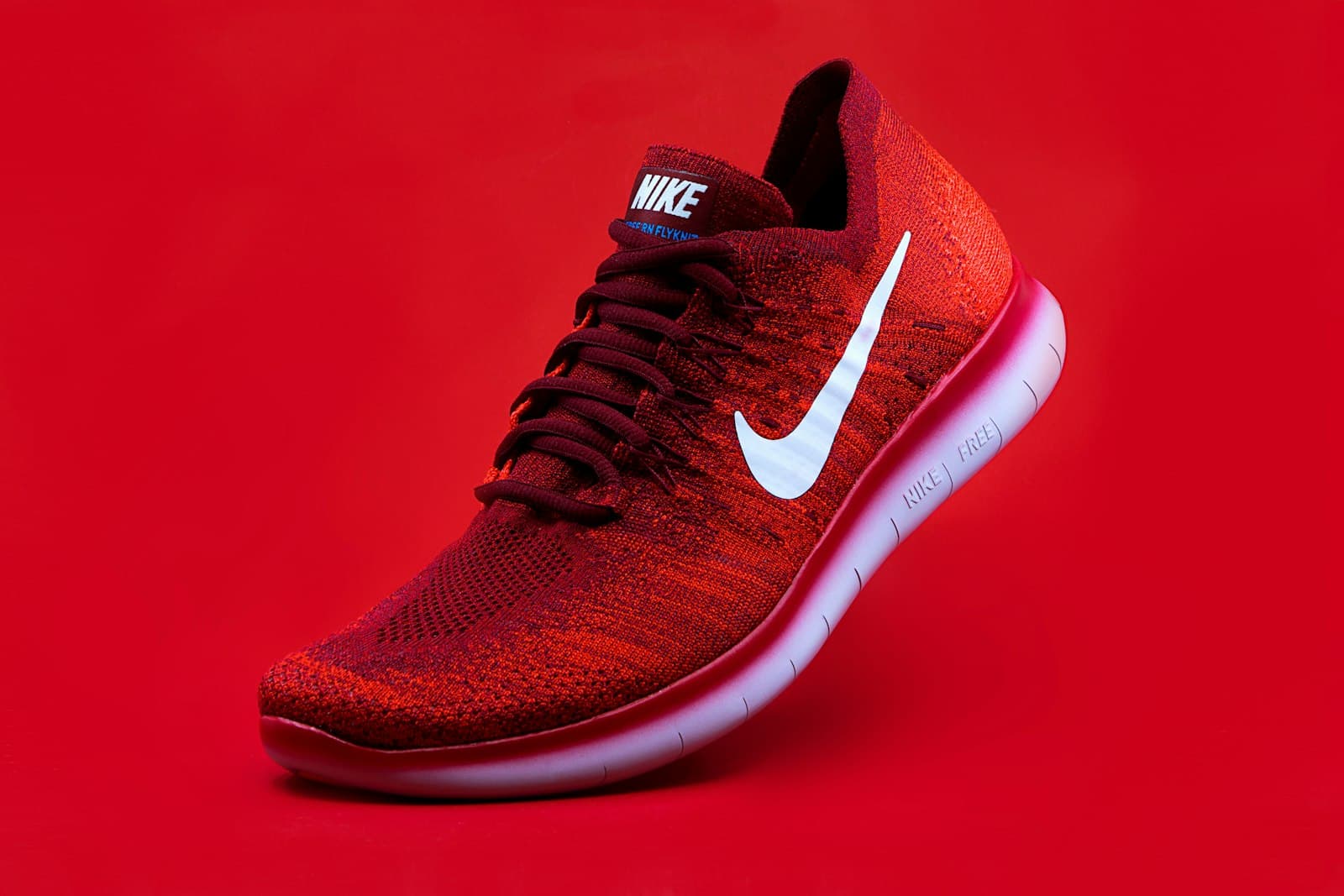
Painted Juttay is a Karachi-based marketplace for hand-painted footwear — artists in Saddar paint canvas and leather shoes that buyers across Pakistan and the diaspora collect. ~5,000 visitors/month, ~1.8% baseline conversion, and a small but loyal group of collectors who would camp on Instagram comment threads when limited drops went live.
The drops were chaotic — there was no real auction infrastructure. The owner wanted real-time bidding without alienating the everyday browsers who just wanted to buy a pair outright. I was brought in for a 10-week sprint to design and ship both flows on a single PDP.
12 collector interviews, 4 artist workshop visits in Saddar, funnel analytics.
Etsy, StockX, Bukalapak mapped on auction + craft storytelling.
Auctions reframed as optional layer; buy-outright protected as default.
3 concepts explored, inline-auction-on-PDP chosen.
Final designs, 4 new tokens, 6 reusable auction components.
Moderated UT with 8 users across Karachi + Lahore, 2 iterations, dev handoff.
Three insights that reframed the problem.
The owner's hypothesis was "we need an auction page." Research surfaced something more nuanced: collectors and browsers shared the same product but wanted opposite UI affordances.
"I want to bid on a limited drop the moment it goes live — not refresh a tab waiting for it."
"I just want to buy a pair of shoes. Why is there a timer?"
A live auction must never block a buy-outright flow.
The brush strokes, the artist, the story — visible from cart to confirmation.
Real artist photos, real shop address, real testimonials. Trust is local before global.
Killed: Pushed buy-outright below the fold.
Killed: Users tabbed away and forgot which mode they were in.
Shipped: Both flows always visible, neither blocks the other.
What I added to the system.
The redesign added a small but focused set of auction primitives to Painted Juttay's design library — reused across PDP, live-drop page, and artist profiles.
Eight users. Three scenarios.
Moderated remote testing with 8 users across Karachi and Lahore — 4 collectors, 4 casual browsers. Two iterations during the test week — the auction side card got a slimmer mobile-first treatment after participants on smaller phones felt the bid list crowded the gallery.
WCAG 2.2 AA, end-to-end.
Live-bidding UI can become inaccessible fast — pulse animations, time pressure, real-time updates. Every screen passed automated (axe-core) and manual (VoiceOver + TalkBack + Keyboard) audits before merge.
"Masfa understood that our customers want to BUY shoes, not learn auction mechanics. The widget she designed is the reason limited drops actually convert now."
Big thanks to Hassan (founder) for trusting the inline-auction call, the Painted Juttay artist collective for letting me into their workshop in Saddar to see the hand-painting process, and the 16 user-test participants across Karachi and Lahore for unfiltered feedback. Live at paintedjuttay.com.
Building an e-commerce or marketplace product? See my services, browse the rest of my work, or start a project.